
Last updated October 16, 2026
 Wrought iron
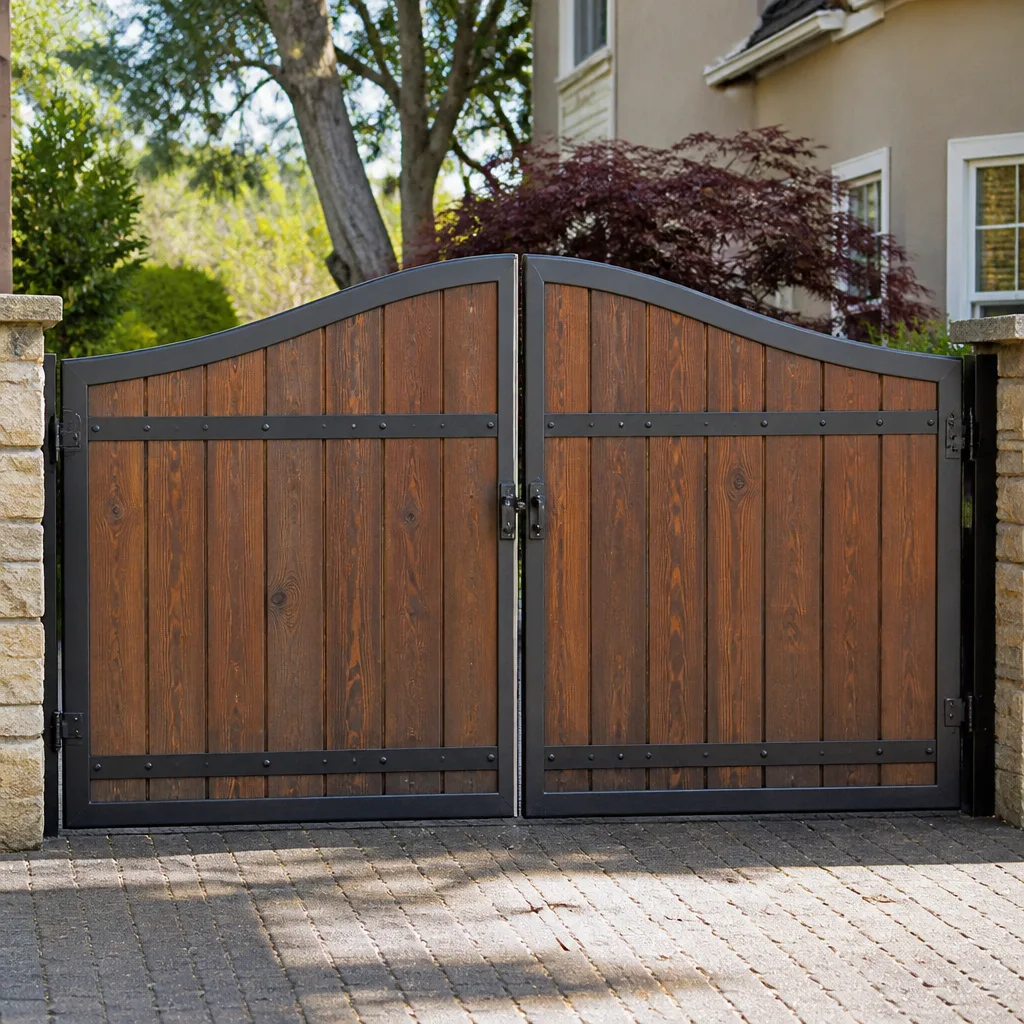 Wood & steel frame
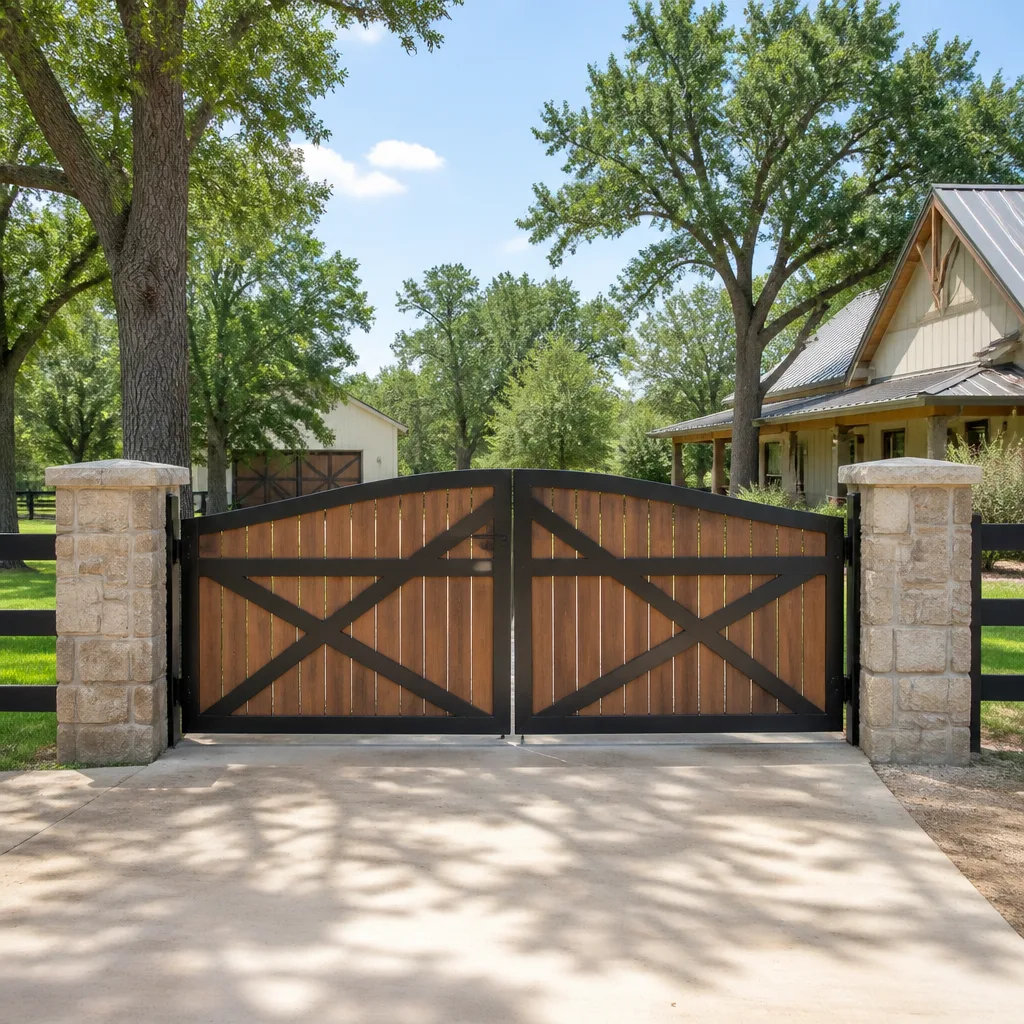 Farm & ranch
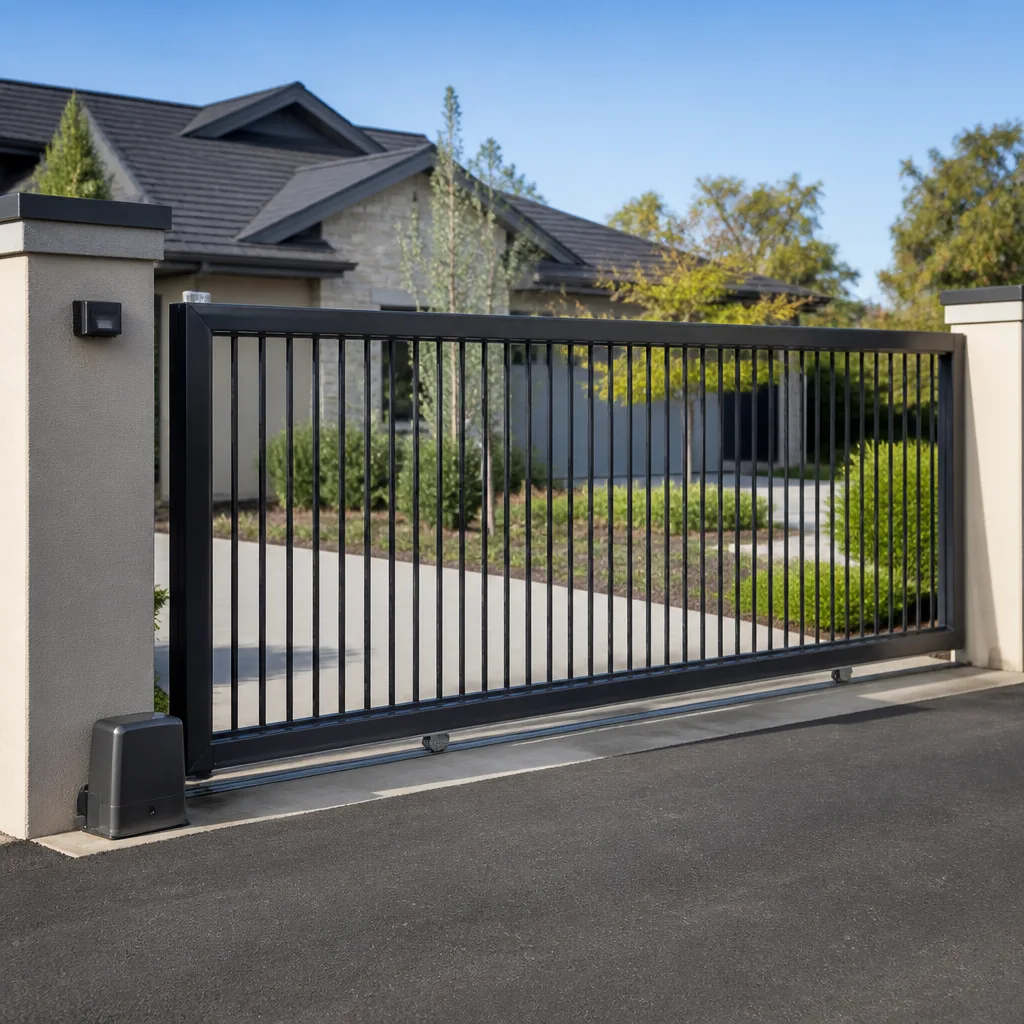 Sliding driveway gates
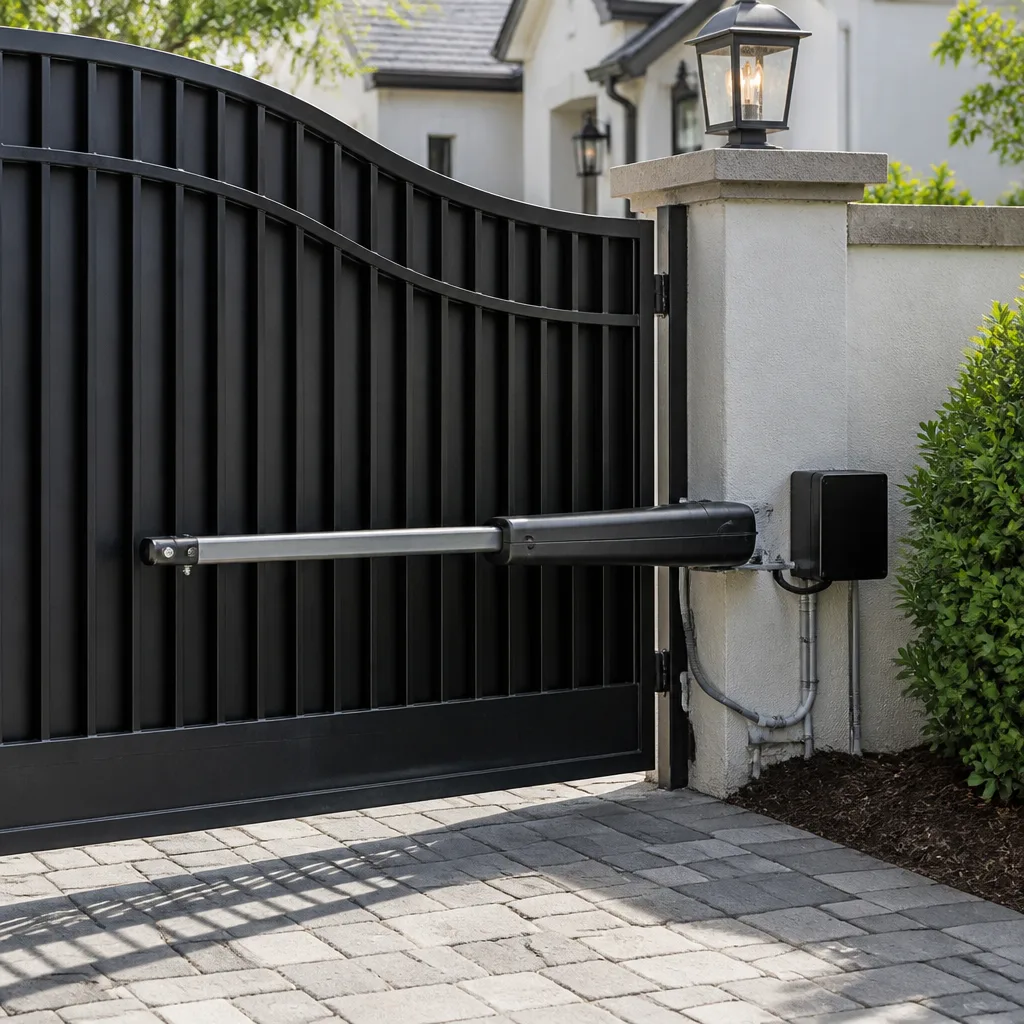 LiftMaster operators
Free on-site gate assessment - hinges, posts, and your LiftMaster or Nice gate operator checked before anything is quoted
The assessment is free and the quote is the invoice.
Get your free estimateGate Repair Maintenance Checklist for Austin Homeowners
A gate that passed a standard inspection in March can fail by July in Austin. We know this because we get the calls every summer. The culprit is almost never what a generic checklist would have caught. It’s not the motor giving out or a hinge snapping. It’s caliche dust packed into a limit switch. It’s an aluminum frame that expanded in 105-degree heat and threw the photo-eye alignment off by half an inch. This guide is built around what Austin gates actually face, month by month, so you can catch failures before they lock your car in the driveway. For official requirements, see our guide to Gate Repair Permits, Codes & Inspections in TX: What You Need to Know.
Quick Answer
The most important gate maintenance tasks for Austin homeowners are cleaning limit switches and photo-eyes monthly during dry months, lubricating hinges and chain drives every 60 to 90 days, checking gate alignment and speed after extreme temperature swings, and testing the safety reversal system at least twice per season. Most of this takes under 20 minutes and requires no special tools. What it does require is consistency, because Austin’s caliche dust and summer heat cause failures that coastal maintenance guides never mention.
Styles & brands we work with
Table of Contents
- Why Austin Gates Fail Differently
- The Month-by-Month Austin Maintenance Calendar
- Lubrication Points That Matter by Opener Brand
- How to Test Safety Reversal and Photo-Eye Alignment
- When Maintenance Crosses Into Repair
- The Maintenance Log That Protects Your Warranty
- What a Homeowner Should Never Attempt
- Common Mistakes to Avoid
Why Austin Gates Fail Differently
Austin sits on the Edwards Plateau, and the soil here is shallow over limestone. When it’s dry, which is most of the year, traffic on gravel driveways and unpaved roads kicks up a fine white dust called caliche. It’s alkaline, gritty, and it gets into everything. We’ve pulled limit switch covers off gates in Steiner Ranch and found the contacts buried under a quarter inch of the stuff. The switch itself is a simple sensor that tells the gate opener where to stop. When dust coats it, the gate thinks it’s already closed when it’s still six inches open, or it reverses at the wrong point, or it sits there humming and not moving at all.
Then there’s the heat. Austin regularly hits 100 degrees from June through September. Aluminum gates expand when they get hot. A gate that swings perfectly at 8 a.m. can bind against its post at 4 p.m. because the metal grew by a fraction of an inch. We see this constantly in neighborhoods like Circle C and Mueller, where dark-painted aluminum gates face full western sun. The frame warms up, expands, and the gate’s travel arc changes just enough to trip the safety obstruction sensor. The homeowner assumes the opener is dying. It’s not. The gate needs a travel limit adjustment, not a new motor.
Generic four-season maintenance calendars don’t account for any of this. They tell you to check the gate in “spring” and “fall.” Austin doesn’t have four seasons. It has a long dry stretch, a brief wet spring, a brutal summer, and a mild winter that occasionally freezes hard enough to snap plastic components. So the maintenance plan below follows Austin’s actual calendar.
The Month-by-Month Austin Maintenance Calendar
Here’s the thing about gate maintenance: it’s not a once-a-year task. It’s a rhythm. The tasks are small, but they’re timed to the specific stresses each month puts on the gate. We’ve organized this around what we actually see fail in the field, month after month.
January – February
These months are cold but usually dry. The big risks are stiff grease and brittle plastic. Lubricants thicken in cold weather, which makes the opener work harder. If your gate moves noticeably slower in January than it did in October, that’s often just thickened grease, not a dying capacitor.
- Wipe down the gate track or rail with a dry rag to remove accumulated dust and debris.
- Apply a light machine oil to hinge pins. Avoid heavy greases in cold months; they stiffen.
- Check the opener’s drive chain (if applicable) for sag. A loose chain slaps and wears sprockets.
- Inspect plastic safety edges along the gate’s leading edge for cracks. Cold plastic shatters when impacted.
March – April
Spring in Austin means thunderstorms, oak pollen, and the beginning of air-conditioner-induced static electricity on your gate control board. Rain plus pollen equals a paste that clogs photo-eye lenses. This is also the season when lightning strikes nearby can fry control boards that aren’t on a surge protector.
- Clean both photo-eye lenses with a soft, dry cloth. Pollen coats them and the gate reverses for no visible reason.
- Check the rubber weather seal at the bottom of the gate. Spring storms drive water horizontally, and a cracked seal lets it reach the opener.
- Verify the drain holes in the bottom of the control box are clear. Standing water in the box destroys circuit boards.
- Test the gate’s manual release. You’ll need it if a spring storm knocks out power for an extended period.
May – June
Caliche dust season starts in earnest. Any wind kicks up fine white powder, and your gate opener is actively cooling itself with that same dirty air. Limit switches, once coated, misread the gate’s position and cause erratic stops and reversals.
- Open the control box and carefully blow out accumulated dust with canned air or a low-pressure compressor. Direct the dust away from the circuit board, not deeper into it.
- Clean the limit switches themselves. These are small electrical contacts, usually near the motor or along the drive rail. A dry cloth is usually enough.
- Lubricate the chain drive after cleaning. Dust sticks to lubricant, so cleaning must come first.
- Check the gate’s closing force. Once the heat arrives and the gate expands, you’ll adjust this more often.
July – August
This is peak failure season in Austin. Heat expands the gate, and the direct sun warps dark-colored aluminum. The opener runs hot, the grease thins and runs out of the joints, and every misalignment gets worse. A gate that squeaks mildly in July will be screaming by August if left alone.
- Check gate alignment at the hottest part of the day, not the coolest. That’s when the expansion is at its worst and when you’ll catch a binding problem.
- Re-lubricate hinges after heat thinned the previous application.
- Listen for grinding or labored sounds from the opener. A motor running hotter than normal is working against resistance somewhere.
- If your gate reverses for no reason in the midday heat, suspect thermal expansion before you suspect the motor. This is a travel limit adjustment, not a replacement.
September – October
The heat breaks, but the damage from summer remains. Gates that expanded all summer settle back, often leaving loose hardware. Nights get cooler, and metal contracts, which creates small gaps that rattle. This is the ideal window for a thorough tune-up before the holiday season and any winter freezes.
- Tighten all hinge bolts and post fasteners. Metal contraction leaves them looser than they were in June.
- Check the opener’s gearbox oil level if you have a geared opener. Heat thins oil, and a summer of high temperatures can leave it low.
- Test the safety reversal. We’ll cover exactly how below, but this is the season when worn safety edges surface after a summer of repeated triggering.
- Clean the control board and all electrical connections with a dry cloth. Look for any signs of heat stress: discolored wires, melted connectors, scorch marks.
November – December
Winter in Austin is mild, but freezes happen. A plastic gear or nylon roller that survived all summer can crack in a hard freeze. Gates made of steel contract, and if the hinges were already tight, they bind. This is also the season of holiday traffic: more guests, more open-close cycles, more strain on a gate that’s been quietly degrading all year.
- Inspect all plastic and nylon parts: rollers, bushings, gear covers, safety edge housings. Replace anything brittle.
- Re-check the chain tension. Cold weather plus a loose chain equals a chain that jumps the sprocket on a hard open.
- Verify that the gate’s manual release operates smoothly. If ice locks it up, you lose the ability to open the gate by hand during a power outage.
- Test the battery backup if your opener has one. Cold saps batteries, and you don’t want to discover a dead backup during the first freeze.
Lubrication Points That Matter by Opener Brand
Not all gate openers lubricate the same way. A homeowner with a Mighty Mule opener is dealing with a different drive mechanism than a homeowner with a DoorKing. Applying the wrong lubricant to the wrong part creates a sticky paste that attracts caliche dust and accelerates wear. Here’s what we actually do on service calls, broken down by the mechanics involved.
Hinges and Pivot Points
Regardless of opener brand, the gate’s physical hinges take the most mechanical stress. In Austin, a dry hinge squeaks within a month because the heat strips lubricant quickly. We recommend a light machine oil, not grease. Grease is too heavy for hinge pins and it captures dust. Apply a few drops to each hinge pin and cycle the gate open and closed several times to work it in. Do this every 60 days during summer and every 90 days during cooler months.
Chain Drives
Mighty Mule and older Ghost Controls openers often use an external chain drive. The chain itself needs a chain-specific lubricant, not household oil. Household oils fling off and leave the chain dry. Apply lubricant to the chain while the gate is moving slowly, if your opener allows it. Wipe off excess. A properly lubricated chain is slick to the touch but not wet.
Belt Drives
DoorKing and Elite both make belt-drive openers, and the rule for belts is simple: do not lubricate them. Belt drives are lubricant-free by design. Oiling a rubber belt degrades it and causes slipping. If your belt squeaks, the problem is alignment or tension, not lubrication.
Wheels and Rollers
Gates on wheels, common for longer driveways in areas like Westlake and Tarrytown, need wheel bearing checks. Roller bearings wear out, especially when caliche dust works into them. A roller that grinds instead of spins drags the gate and makes the opener labor. Clean the bearings with dry compressed air, then apply a light grease designed for sealed bearings. If the roller wobbles even after lubrication, the bearing is worn past saving and should be replaced.
How to Test Safety Reversal and Photo-Eye Alignment
Your gate’s safety reversal system is the feature that prevents it from crushing a person, a pet, or a car that’s in the way. It works through two mechanisms: a physical obstruction sensor (either a pressure-sensitive edge or an amperage spike in the motor) and the photo-eyes (the two small sensors on opposite sides of the gate opening). Both need regular testing, and both can be tested without any special tools.
Testing the Obstruction Reversal
- Place a sturdy object in the gate’s closing path. A cinder block or a 2×4 works well. Do not use your arm or a pet.
- Trigger the gate to close.
- Watch the gate’s response. It should stop immediately on contact and reverse direction.
- If the gate continues pushing against the object for more than a split second, or if it makes a grinding sound before reversing, the obstruction detection force is set too high.
This test should be done monthly during high-use periods. Gates with a safety edge (the rubber strip along the leading edge) need their edge inspected for cracks and dead spots. A dead spot on a safety edge means the gate won’t reverse when that section hits something. We’ve seen safety edges on older Mighty Mule and Elite gates develop dead spots after three or four Austin summers.
Testing Photo-Eye Alignment
- Clean both lenses with a soft dry cloth first. Dust and pollen are the most common cause of photo-eye failures in Austin.
- Check the small indicator lights on each eye. Most brands have a light that stays solid when aligned and blinks when misaligned.
- With the gate opening clear, trigger a close cycle. Wave your hand through the beam between the eyes as the gate moves.
- The gate should stop and reverse. If it doesn’t, the eyes are either misaligned or dirty.
Thermal expansion is the sneaky culprit here. In July, a gate in direct sun can shift enough to point the photo-eyes just past each other. The gate reverses for no reason or refuses to close at all. If you notice your gate only misbehaves in the afternoon heat, suspect alignment before you suspect the control board.
When Maintenance Crosses Into Repair
Maintenance prevents problems. Gate Repair fixes problems that have already happened. The line between them is usually clear, and crossing it without the right knowledge makes things worse. Here’s how to tell the difference.
You’re still in maintenance territory if: the gate is noisy but opening and closing fully; the remote works from a shorter distance than it used to; the gate reverses occasionally but works fine after a power cycle; the photo-eyes need regular cleaning to stay functional.
You’ve crossed into repair territory if: the gate won’t open or close at all; the motor hums but the gate doesn’t move; the gate opens halfway and stops; the remote stopped working entirely; the gate slams shut instead of slowing before the stop point; you can hear grinding from inside the opener housing; the circuit board shows scorch marks or bulging capacitors.
One sign we tell Austin homeowners to watch for-a gate that starts needing more force to complete its travel-is covered in more detail in our Gate Repair Warning Signs: A Austin Homeowner’s Reference Guide. If the opener has an adjustable force dial and you find yourself turning it up just to get the gate to close, the gate is telling you something. Binding hinges, a sagging gate leaf, a wheel off its track. Curing the symptom by raising the force masks the real problem and strains the motor. That’s not maintenance. That’s a repair wearing a maintenance costume.
If you’re unsure which side of the line you’re on, Gate Repair in Austin is what we do every day, and the diagnostic is free. Bound gate, dead opener, or a mystery noise, we’ll tell you what it is and write the price down before any work starts.
The Maintenance Log That Protects Your Warranty
Opener manufacturers like DoorKing and Ghost Controls will deny warranty claims if the gate shows signs of neglect. The burden of proof is on the homeowner to show the gate was maintained. A handwritten note in a drawer works, but only if you can find it six months later. A consistent log does something else, too: it shows patterns. A gate that needed a travel limit adjustment in May and then again in August is trending toward a bigger problem, and a log makes that trend visible.
Here’s the format we recommend. Keep it simple, and keep it digital or paper, whichever you’ll actually use.
| Date | Task Performed | Observations | Parts or Lubricant Used | Next Due |
|---|---|---|---|---|
| 3/10/2026 | Photo-eye cleaning, hinge oil | Right eye was fully coated in pollen | 3-in-1 oil | 5/10/2026 |
| 5/12/2026 | Chain lube, obstruction test | Gate reversed properly at 2 sets of force | Chain lube, white lithium | 7/12/2026 |
| 7/14/2026 | Travel limit adjusted after heat expansion | Gate binding at post in afternoon heat | None | 9/14/2026 |
Six entries a year is enough to establish a maintenance history. Take a photo of the gate at each maintenance session, from the same angle. If a warranty claim comes up, you’ll have visual proof of the gate’s condition. Homeowners in Austin who keep this log also get faster service when they call us, because we can see exactly what’s been done rather than starting from scratch. Our Calder Gate Repair Austin home page has more on how we document repairs, and our techs can tell you exactly what your specific opener model needs tracked.
What a Homeowner Should Never Attempt
We believe homeowners should handle basic maintenance. Cleaning, lubrication, testing, inspection, all of it. But there’s a hard line, and crossing it is dangerous. A gate is a heavy mechanical system under tension, and when it moves, it moves with enough force to break bones. The opener motor is connected to household or sometimes 240-volt power. Neither is forgiving.
Leave these to a professional:
- Anything involving the torsion spring on a counterweighted gate. These springs hold enormous tension. If they release, they can kill. We do not give DIY instructions for this, and no reputable company will.
- Control board replacement or wiring repair. A mismatched wire or a shorted connection fries boards that cost hundreds of dollars. More importantly, a live wire in an open control box is a shock hazard.
- Realigning a gate leaf that has sagged significantly. The fix often requires lifting the gate off its hinges, which is a two-person job with proper lifting equipment. A falling gate can crush feet and hands.
- Adjusting force settings higher than factory specs. We touched on this earlier. The force setting is a safety mechanism. Cranking it up defeats the purpose of the safety reversal.
- Working on a gate opener while it’s connected to power. Always disconnect power at the breaker before any opener work. Even then, capacitors in the control box store charge.
If the task requires opening the motor housing, touching the circuit board, or loosening anything under spring tension, call someone who does this professionally. Electric Gate Repair in Austin is our specialty, and we’d rather spend the time showing you what to maintain yourself than untangling a home electrical project gone wrong.
Common Mistakes to Avoid
- Using WD-40 as a catch-all lubricant. WD-40 is a water displacer, not a lubricant. It strips what little lubrication exists and then evaporates. Use a proper chain lube, machine oil, or white lithium grease, depending on the part.
- Lubricating without cleaning first. Austin’s caliche dust turns fresh lubricant into grinding paste. Clean the part, then lubricate. Never the other way around.
- Ignoring a noisy gate because “it still works.” Noise is the gate telling you something is wearing. By the time it stops working, the repair is more expensive than the maintenance would have been.
- Testing safety reversal with a flimsy object. A cardboard box or a plastic bucket doesn’t give the gate enough resistance to trigger the obstruction sensor. Use something solid and heavy, like a cinder block.
- Adjusting the travel limits to fix a binding gate. If the gate binds against the post in the heat, changing the travel limit just masks the alignment problem. It also makes the gate stop in the wrong place, which is a security issue.
- Skipping winter maintenance because “Austin doesn’t get cold.” Austin hits freezing temps every year, and a single hard freeze cracks brittle plastic parts that were fine in October.
- Not documenting maintenance. When a warranty claim comes up, “I did maintenance” without a log means nothing. A simple dated log and a few photos protect you.
See the difference
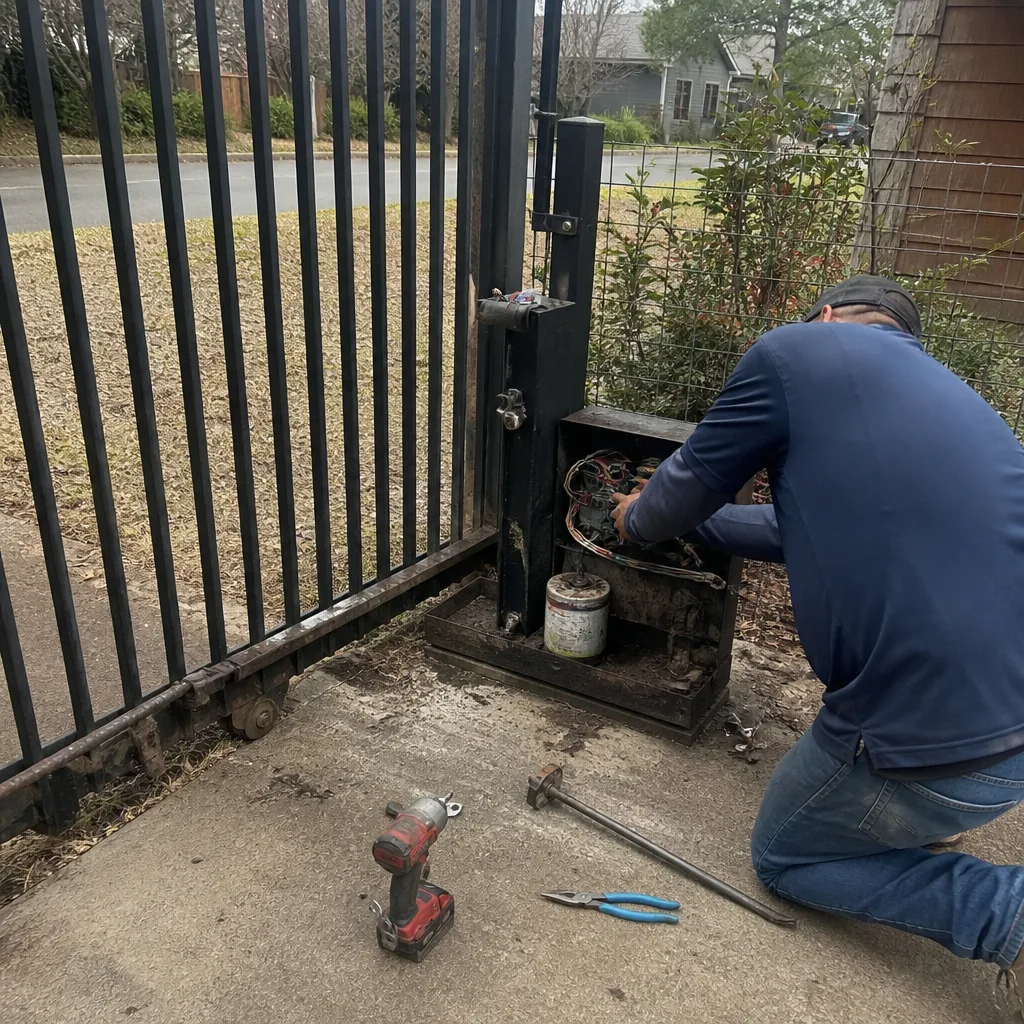 Before
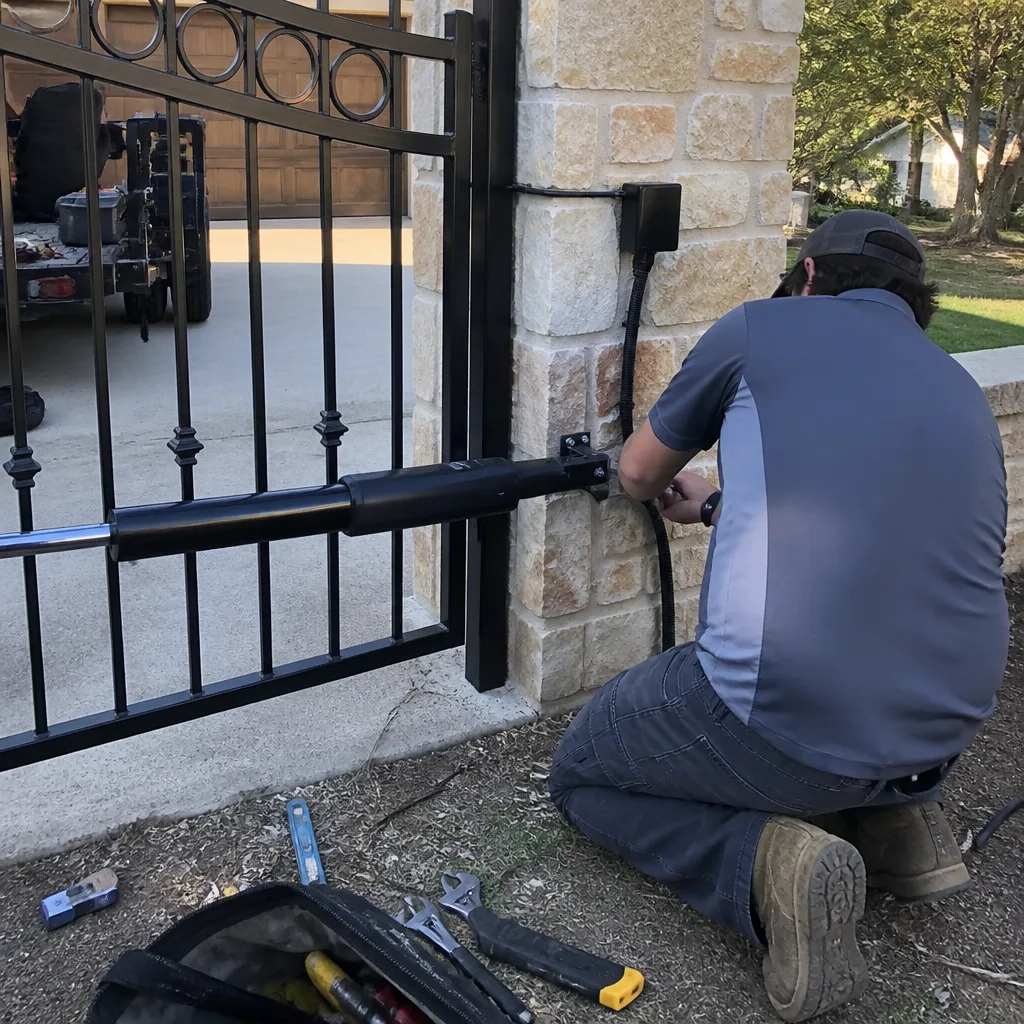 After
After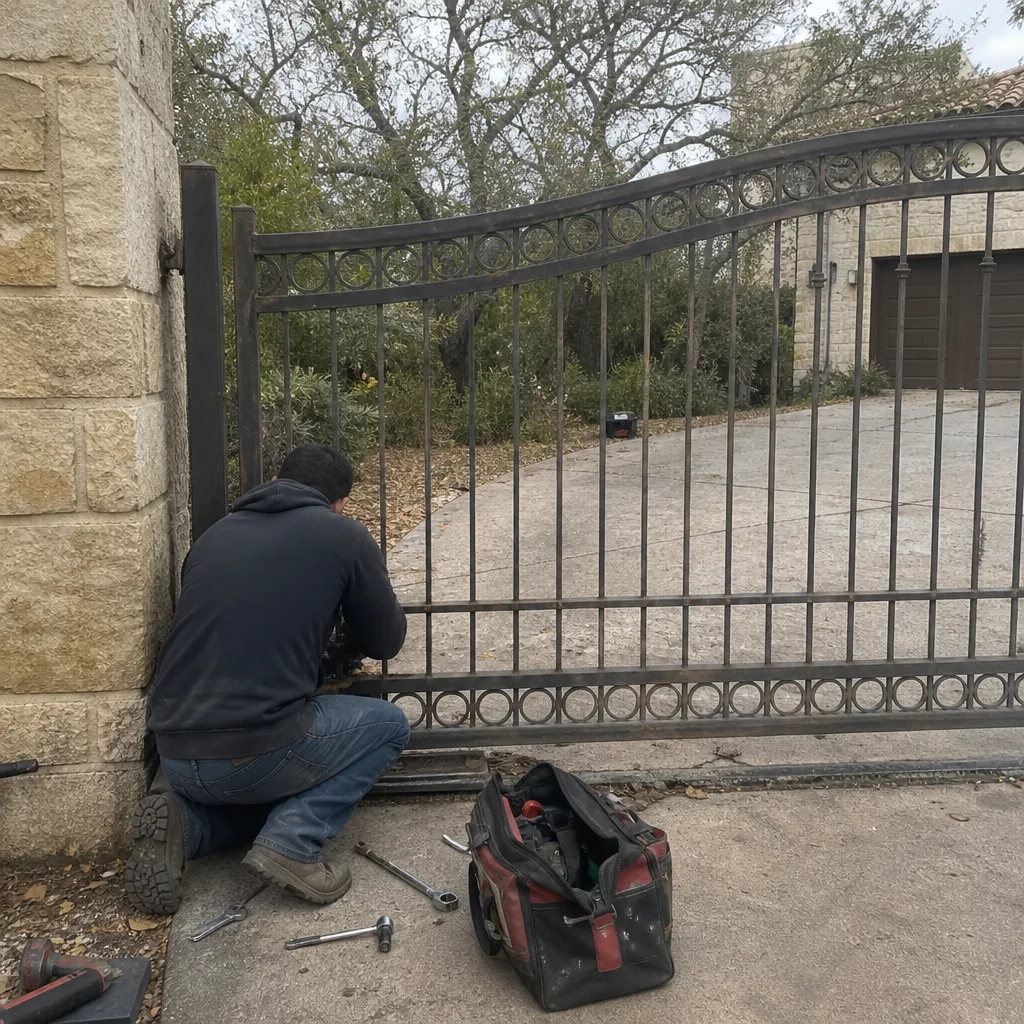 Before
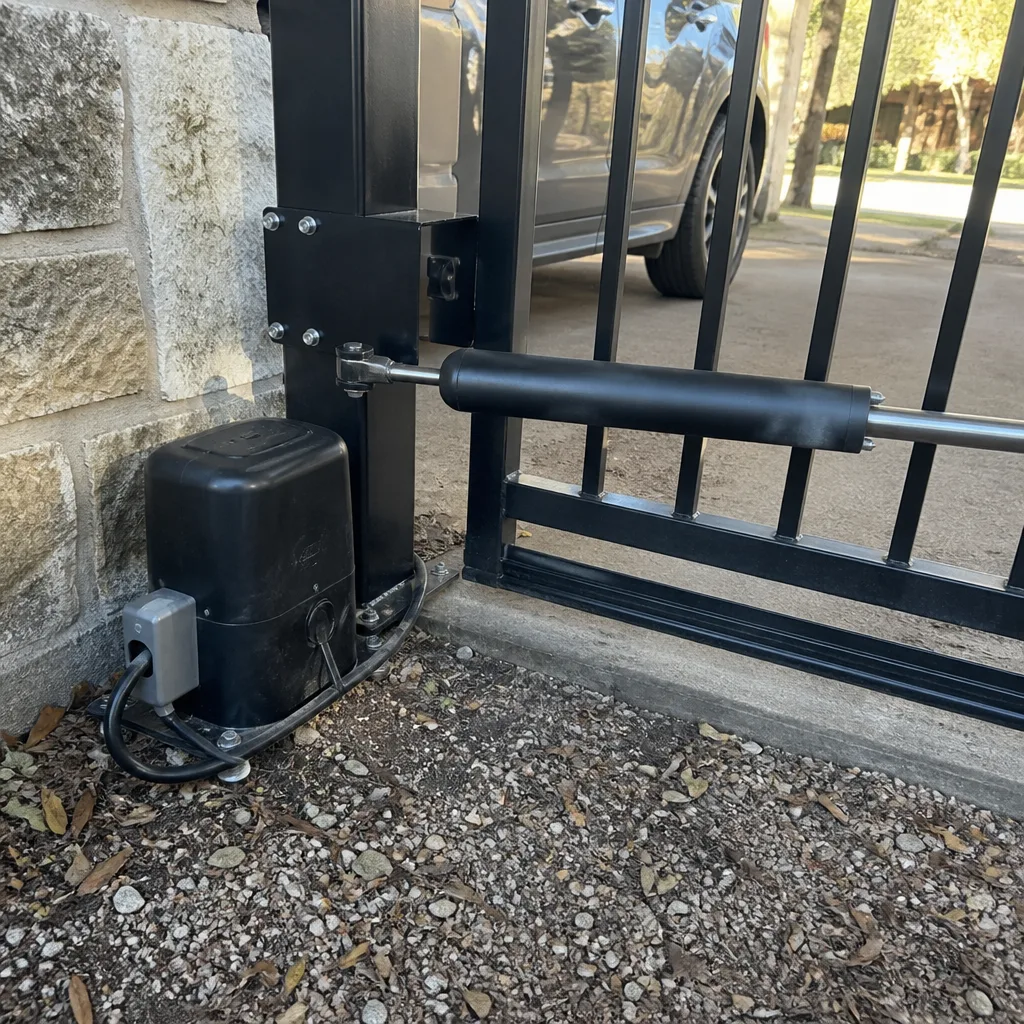 After
After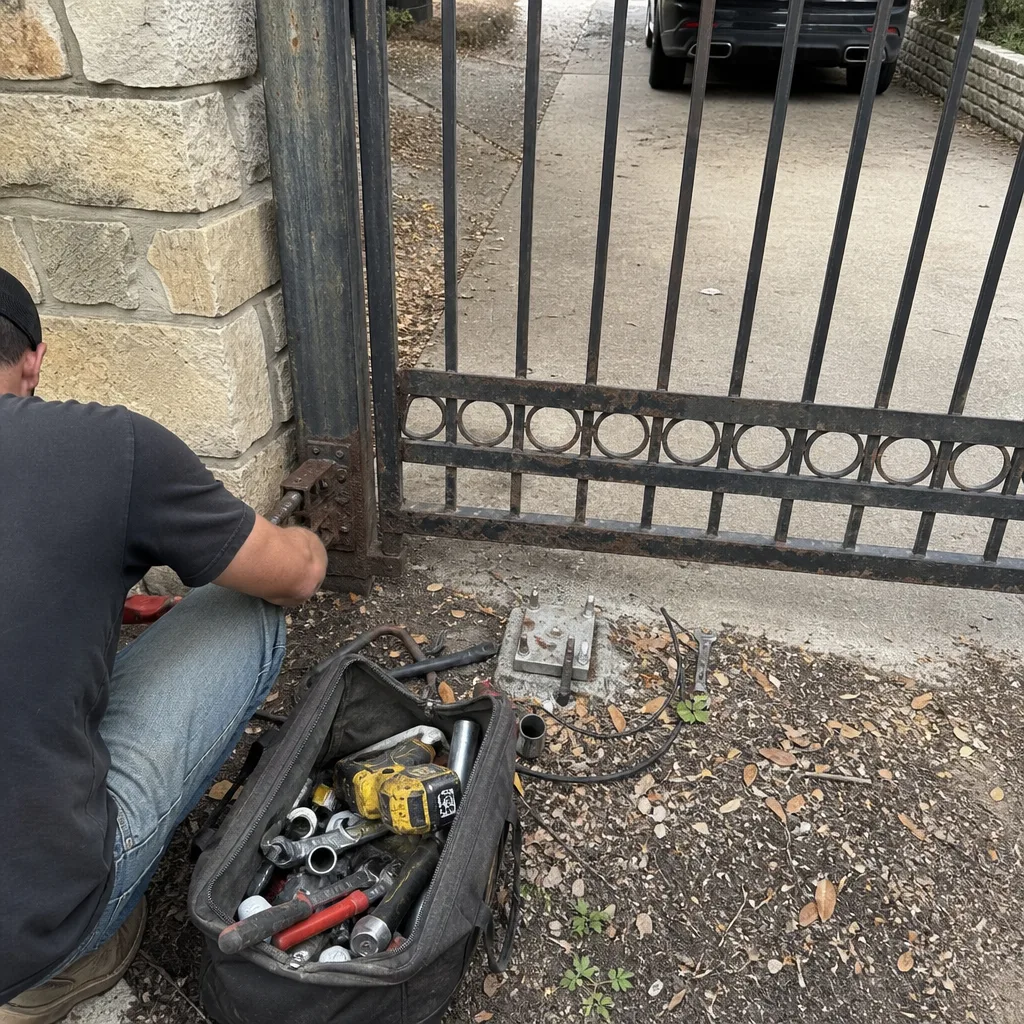 Before
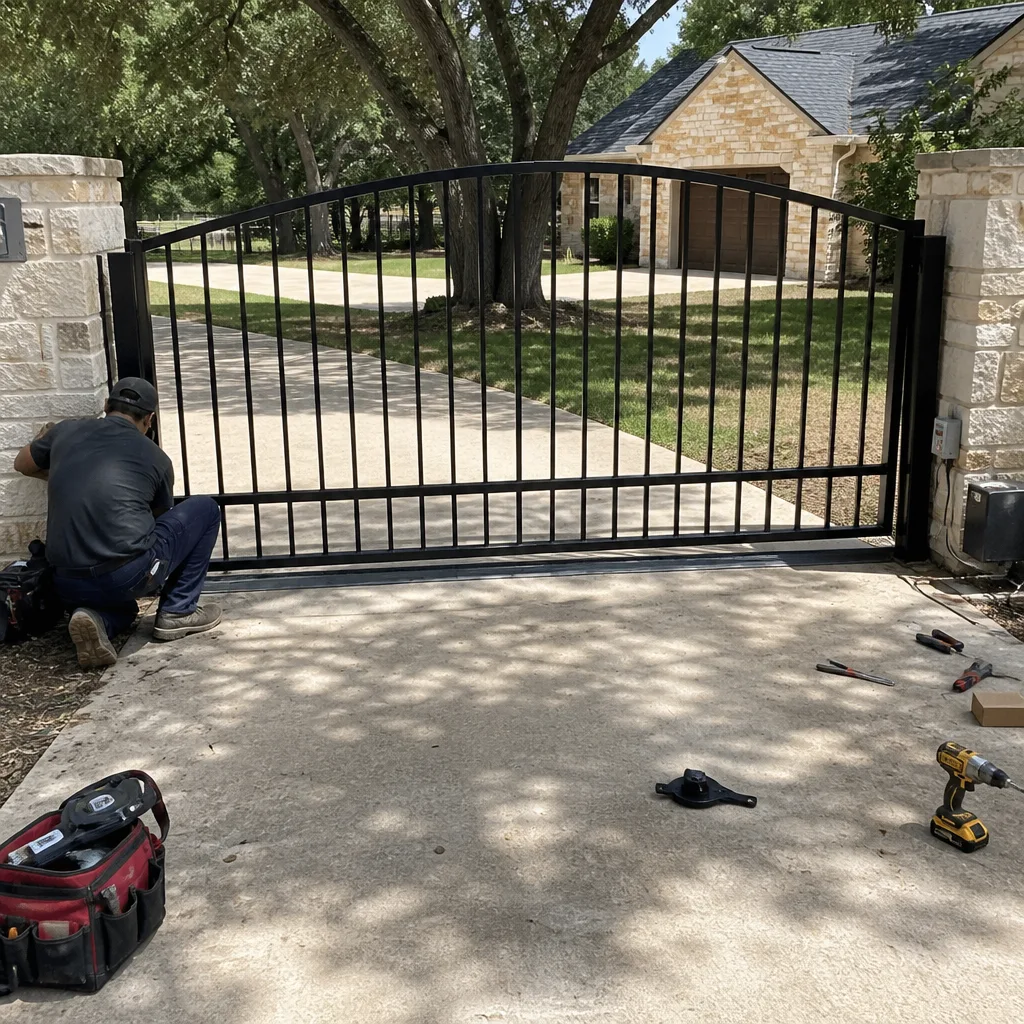 After
AfterWhen to Call a Professional
Call a professional when the gate won’t move, when the motor runs but the gate stays put, when you can hear grinding from inside the opener, when the gate reverses or stops erratically for no apparent reason, or when you’ve turned up the force setting once and the gate still struggles. None of those are maintenance issues. Each one means something has already failed, and continuing to operate the gate makes it worse and more expensive. Calder Gate Repair Austin offers free estimates in Austin, including for Gate Opener Repair in Austin. Call (903) 354-7419 and a live person will answer, day or night.
Frequently Asked Questions
Monthly quick checks (10 minutes of cleaning and visual inspection) plus a deeper maintenance session every 90 days. In Austin’s summer, the monthly checks matter more than the quarterly deep cleans, because heat expansion and caliche dust cause failures that build up fast.
Thermal expansion. The gate’s aluminum frame expands in direct sun and binds against the post or throws off the photo-eye alignment. This is a travel limit or alignment issue, not a motor failure. Adjusting the travel limits fixes it, and it’s a common repair we handle all summer across Austin.
A chain-specific spray lubricant, not household oil or WD-40. Mighty Mule’s external chains run hot in Austin summers and shed lightweight oils quickly. Apply to a clean chain, wipe off the excess, and reapply every 60 to 90 days.
Do not test the safety reversal with your body. Use a solid object like a cinder block or a 2×4. If the reversal system fails, you want an object taking the impact, not your legs or your dog.
No. In fact, documented maintenance protects your warranty claim. DoorKing, Ghost Controls, and Mighty Mule all expect owners to perform routine maintenance, and they’ll deny a claim if the gate shows signs of neglect. Keep a log with dates and tasks.
Most gate opener repairs in Austin run between $180 and $400 before parts. A travel limit adjustment or photo-eye realignment is on the lower end. A control board replacement with a new part can push toward $500 or more. Calder Gate Repair Austin quotes every price in writing before any work starts, so you always know the number before we turn a bolt. Call (903) 354-7419 for a free estimate.
The Bottom Line
Maintaining a gate in Austin isn’t about following a generic four-season checklist. It’s about understanding what our specific climate does to gates: caliche dust clogging sensors, summer heat expanding frames, cold snaps cracking plastic. The monthly rhythm we laid out here takes less than half an hour and catches problems while they’re still cheap. Ignore it, and you’ll meet us on the worst possible day: gate stuck closed, car trapped, 102 degrees. Keep the log, do the monthly checks, and when something goes wrong that’s past your comfort level, check our more guides & resources or call Calder Gate Repair Austin at (903) 354-7419. We’ll quote the price before we start, and we’ll stand behind the repair with a written 365-day guarantee.
Written by Nico Alvarez, Owner at Calder Gate Repair Austin, serving Austin since 2009.